Read the river before drawing the first wall
A colony’s water plan starts with a route through the landscape, not a row of construction ghosts.
TIMBERBORN / THE WATER ENGINEER’S NOTEBOOK
A Timberborn engineering notebook for channels, reservoirs and the settlements that depend on a working water system.
Explore the water studies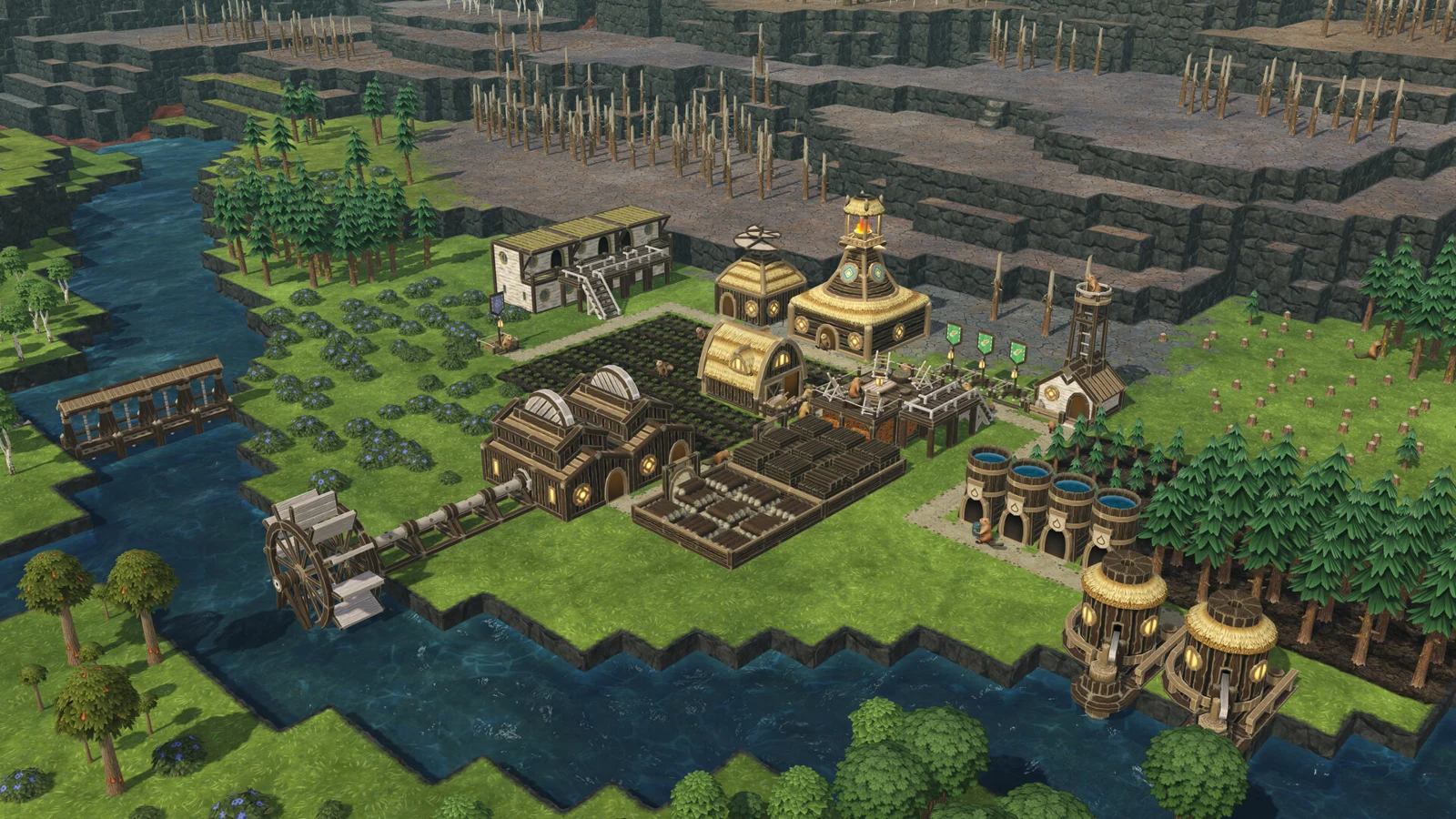
Storage is only one part of the system: what enters and what leaves matter too.
Read what holds water and what lets it continue. Levees, dams and controlled outlets have different roles in a reservoir boundary.
A colony’s water plan starts with a route through the landscape, not a row of construction ghosts.
Store water for a purpose, then decide how the rest of the colony receives it.
Give a new channel a role in irrigation, movement and the layout around it.
Protection depends on where unwanted flow can go as well as what you close.
Start with one measured condition and one intended response before adding a network of logic.
Give the settlement an attractive river edge without hiding the routes that keep it useful.
Current Timberborn water engineering, from a small landscape change to a readable automated outlet.
Read what holds water and what lets it continue. Levees, dams and controlled outlets have different roles in a reservoir boundary.
A Fill Valve regulates downstream level; a Throttling Valve controls a flow limit. Choose the relationship you intend to manage.
Sensors report a specific condition. Connect that measurement to a response you can describe in both signal states.
Observe wet, dry and contaminated conditions. A full basin in one screenshot does not explain the whole cycle.
| Question | Look at | A small first test |
|---|---|---|
| Will this area stay useful in drought? | Retained water, use and evaporation | Inspect the same bank through one dry period |
| Is the outlet preserving the reserve? | Both upstream and downstream state | Change one release relationship |
| Where should unwanted flow go? | Protected route and diversion | Trace both paths before automating |
| Does the rule match the result? | Measurement, signal and response | Watch both active and inactive states |
Science, materials and production chains make more complex landscaping and control options available. Let a new capability answer an actual problem you have observed beside the river.
These articles use the current valve-and-sensor approach. Older Sluice tutorials describe an earlier system: 1.0 introduced replacements, and the 1.1 notes explain the conversion of remaining legacy Sluices to Fill Valves.
Identify source, working area and exit before placing a large barrier.
Understand whether the design needs a level target or a flow limit.
Follow the measurement through the signal to the physical response before leaving the network to operate.
Keep the first water-control experiment small enough to explain.
Name the downstream area the reserve should support and identify the path excess water can use.
Choose whether the important relationship is downstream height or passing flow, then read the relevant valve.
Inspect both sides and note the condition where the result differs from the intention. Adjust that relationship before scaling up.
Timberborn asks a beaver settlement to live with a changing water supply. Mechanistry’s game connects engineering with the needs of a growing town. Current water controls should be checked against the version you play, especially when following older guides.
Timberborn on Steam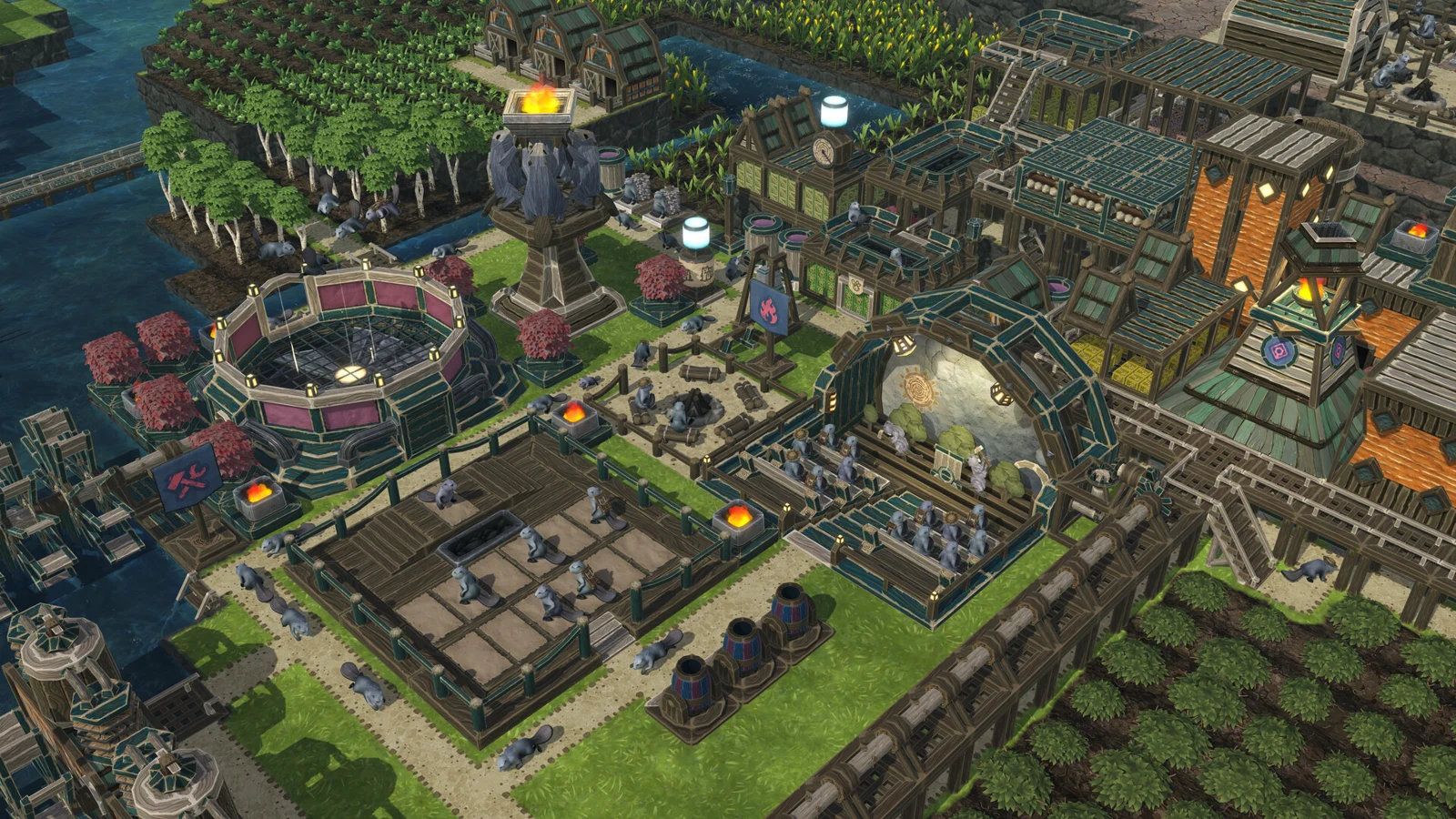
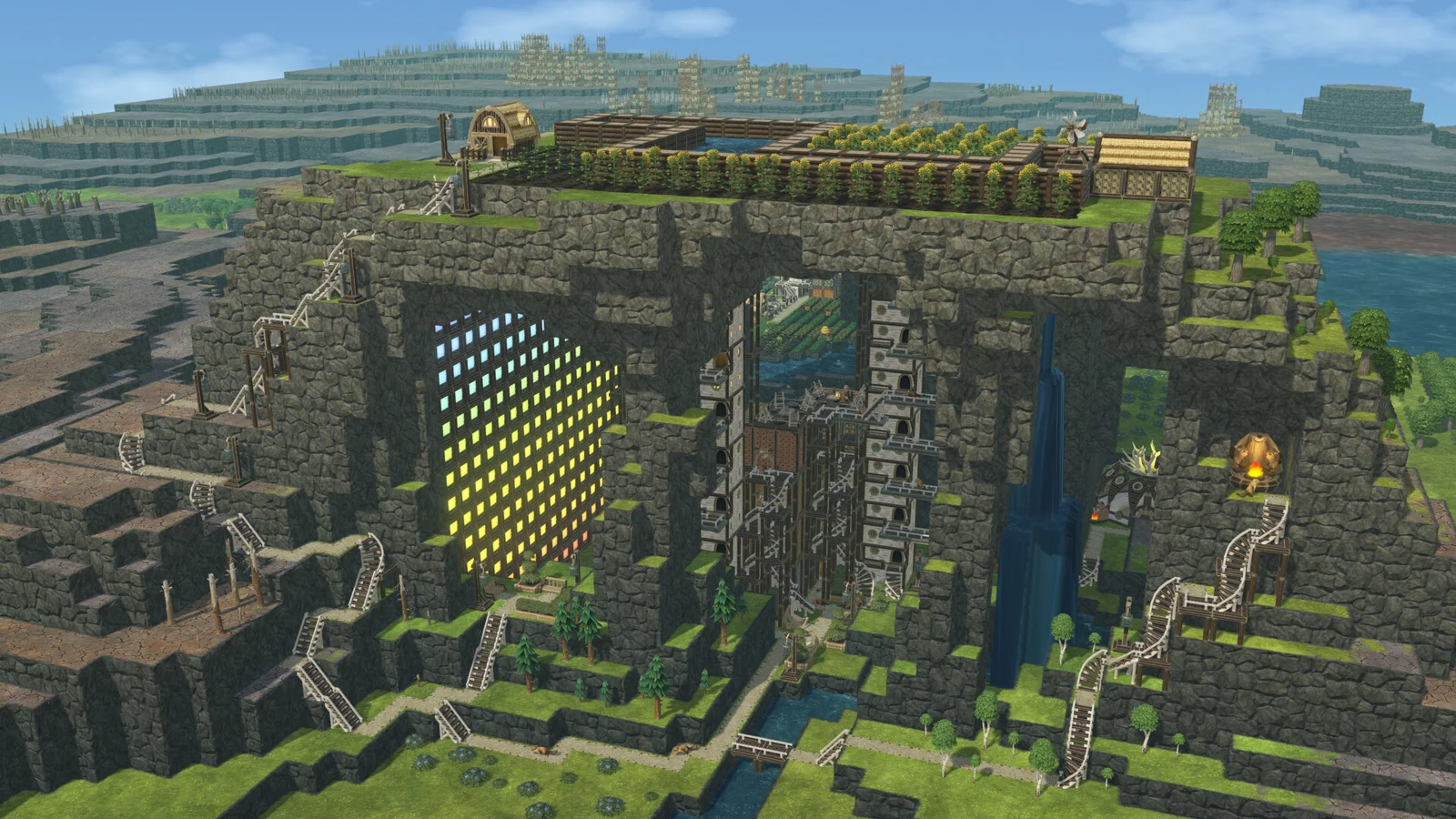
Check the game version first. Current valve and sensor controls need to be understood on their own terms rather than copied by appearance.
They serve different needs. Read tanks, collection and the water remaining beside productive land separately.
Its role is downstream level regulation. Watch the reserve and use an appropriate control strategy if preserving upstream water is part of the design.
Begin with a manageable relationship you can observe. Add sensors and logic when you have a clear condition and response to control.
Compare the result with its stated purpose: the land served, the route created and the access preserved. Water in an excavation is only one part of the result.